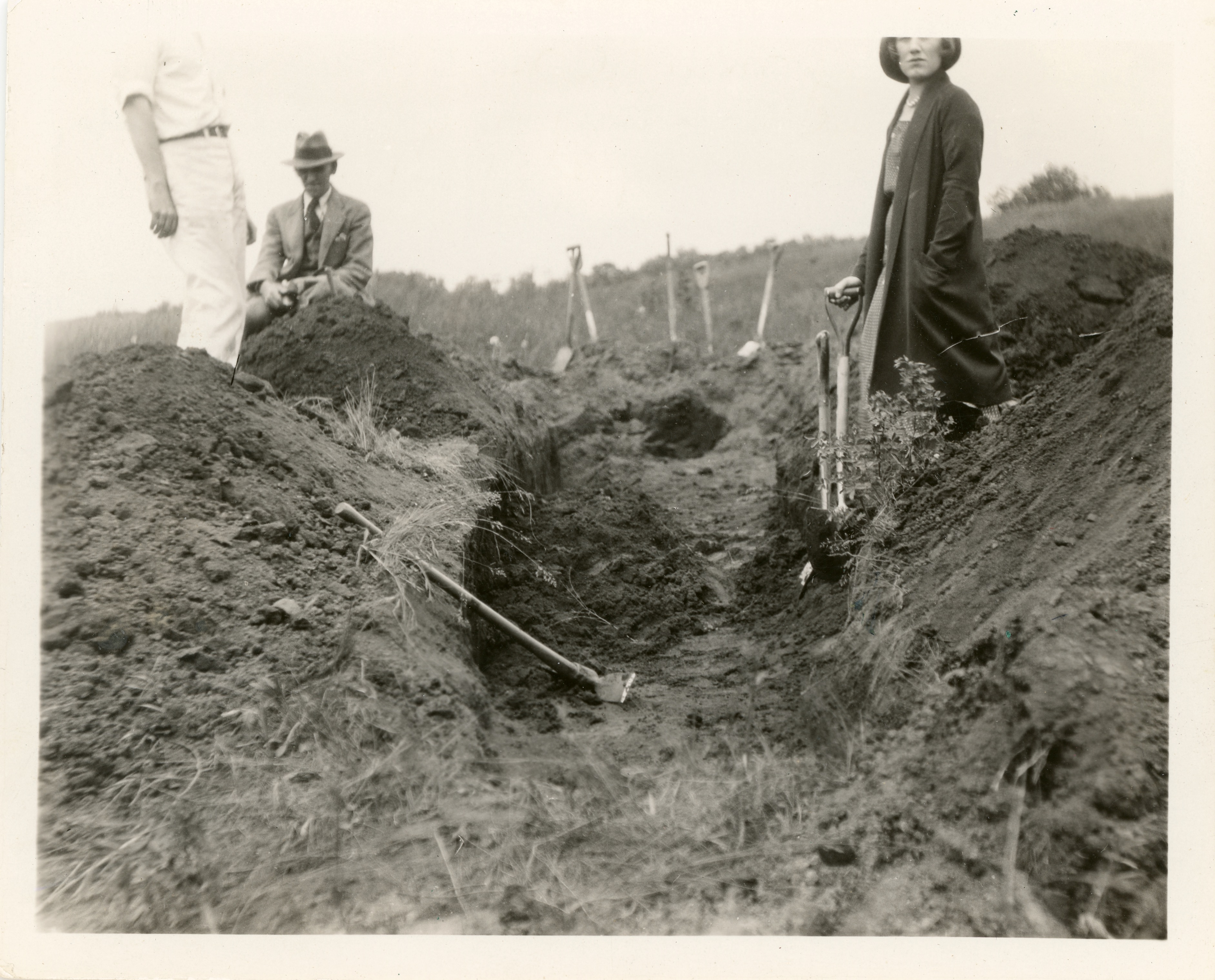
The following experimental digital documentary poem is composed of citations of William Ellery Leonard's new verse translation of the Old English poem Beowulf (1923), George Gales's Upper Mississippi: or, Historical Sketches of the Mound-Builders, The Indian Tribes, and the Progress of Civilization in the North-West (1867), and "The Spirit Raccoon," a Ho-Chunk narrative of Lake Mendota by a storyteller once known, collected by Charles E. Brown and the Folklore Section of the Federal Workers' Project in Wisconsin in Wisconsin Indian Place Legends (1936).
When this MOUND web page is loaded and/or reloaded, server-side code selects and loads a random collection of lines from a relational database of citations:
Swart above the blazing. And the roar of flame.
Some bear or lion is reserved for thee.
Wonkshekhomikla, "where the Indian lies."
And with battle-bucklers, as his prayer had been.
Totems, like the modern Indians; and secondly, that unlike the.
At present known as Maple Bluff. Here the raccoon had.
That heart of man shall cherish and word of man shall praise.
Some have supposed that they were intended to represent.
On the lake bank but was unable to help him. For many.
And to his kin the kindest, and keenest for renown.
Religious superstitions of the race, and that, as most heathen.
He was transformed into a fish. His hunter friend stood.
The mightiest of bale-fires. Rose the wood-smoke.
Entirely without evidence: first that the MOUND-Builders used.
They were of unusually large size. The hunters followed them.
